
Which light works where – and how high?
Even a great light can fall flat in the wrong spot. Hang it too high above the dining table and it mostly lights the ceiling. Too low and it gets in the way. And sometimes even a great design light ends up in a corner where it mostly does… nothing.
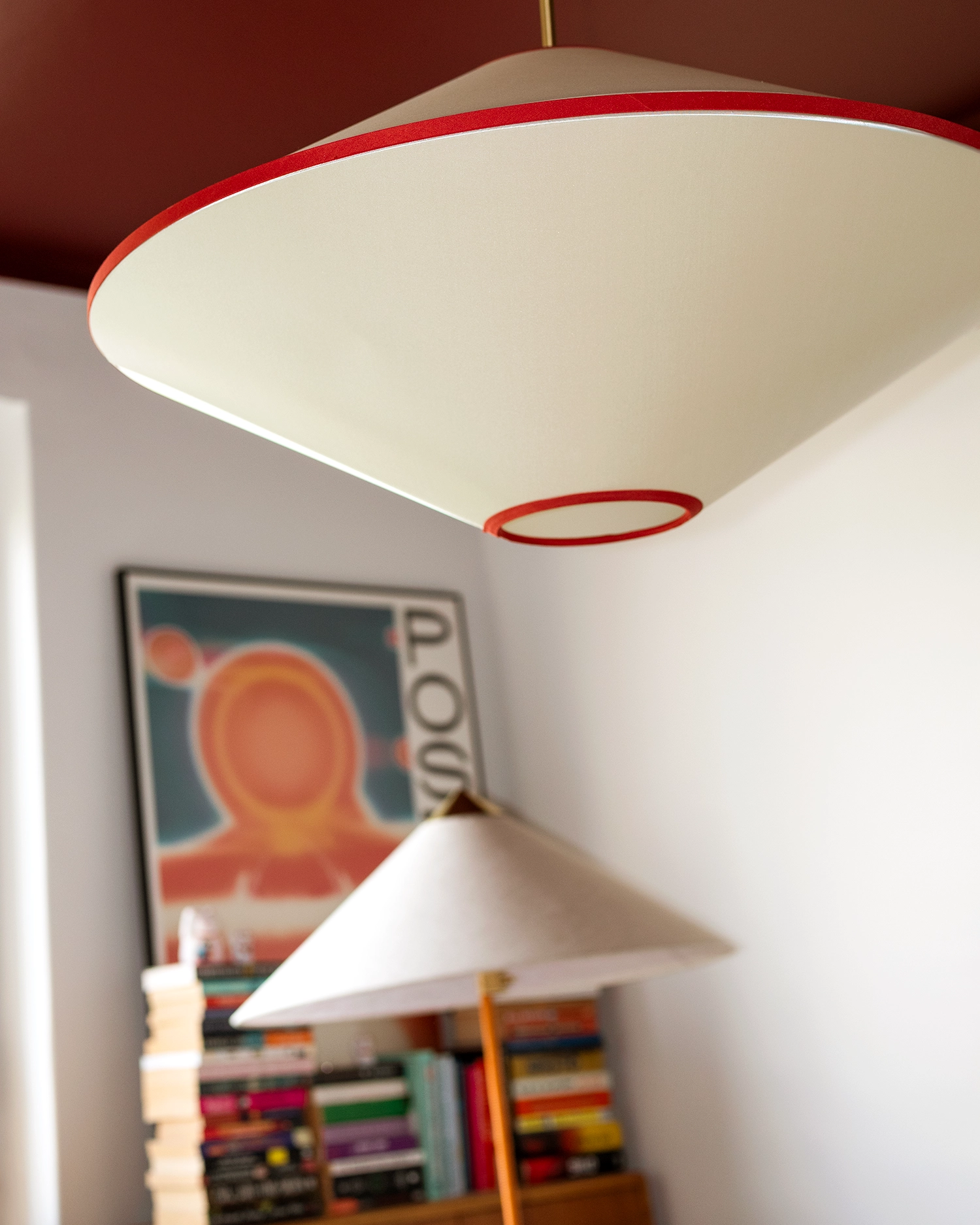
So the problem isn’t always the light itself. It might just be where you put it. Good lighting isn’t about having as many lamps as possible. It’s about giving each light a job to do.
Layered lighting – why it matters
Good lighting combines three layers: general lighting from above, task lighting where you read or eat, and ambient lighting in corners and on side tables. Each layer has its own purpose, and together they create a space you actually want to spend time in.
Pendant lights over the dining table – height matters
A pendant light over the dining table is one of the most iconic elements in a room – and one of the easiest places to get the proportions wrong.
- The right height: The bottom of the light should sit around 70–80 cm above the tabletop. Too high and the light gets lost. Too low and it can obstruct the view across the table.
- The right size: A pendant with a diameter of around one-third to half the table's width is a useful starting point. Adjust the size to suit the shape of the table and the design of the light. For a longer table, two smaller lights side by side can work well too.
- Material: Wood and bamboo add warmth. Metal and glass create contrast against a wooden table.
Living room lighting – layers create atmosphere
One light is rarely enough in a living room. The best result comes from layering: general lighting from above, with ambient lights on side tables or the floor.
- Ceiling light: It doesn’t have to sit in the centre of the room. Try placing it above the sofa area – it helps anchor the space, much like a well-sized rug.
- Floor lamp: A classic choice next to a reading chair. For reading, the key is to direct the light towards your book without causing glare. A lamp with an adjustable arm or shade makes it easier to get the angle right. A larger floor lamp can also work as ambient lighting beside the sofa or in a corner.
- Table lamp: Position it so the bottom of the shade is roughly at eye level when you’re sitting down. This helps prevent glare.
Bedroom lighting – soft light without the glare
Lighting plays a big role in the bedroom, both for sleep and atmosphere. A practical ceiling light is useful for cleaning and organising, but the other light sources are what create the mood.
- Wall lights and bedside lamps: Love reading in bed? Aim to position the light around eye level when you're sitting up. For wall lights and pendants, around 50–60 cm above the mattress can be a useful starting point, but adjust the height to suit your bed, the lamp and how you use it.
- Ceiling light: A practical flush-mount light or a lightweight ceiling light hung high up.
- Pendant lights above bedside tables: A stylish, space-saving option. Position the light so it feels comfortable when you're sitting up in bed, adjusting the height to suit the lamp's design and how you use it.
- Material: A fabric shade softens the light and adds warmth. A metal shade directs light more precisely, making it a good choice for reading. Feathers, paper and other lightweight materials feel less visually heavy above the bed.
Hallway and entrance – first impressions start here
The hallway is easy to overlook, but it’s the first thing you see when you come home. In a hallway or passage where people walk underneath a light, aim for at least 210 cm of clearance between the floor and the bottom of the fixture. In a small entrance, a wall light is a smart option when ceiling space is limited.
Quick guide: light heights
- Dining table: 70–80 cm above the tabletop.
- Living room, floor lamp: Direct the light towards your book and avoid glare.
- Bedroom, bedside lighting: Aim for a comfortable light level around eye height when sitting up. For wall lights and pendants, around 50–60 cm above the mattress can be a starting point.
- Hallway: At least 210 cm of clearance beneath the light in walkways.
A designer lamp can last for decades
A second-hand lamp can be a seriously good find – a design classic at a fraction of the new price. At Mjuk, you’ll find a huge selection of unique circular lighting. See for yourself!